Composting is gaining attention as a simple solution to a big problem: food waste. Every year, millions of tons of organic material end up in landfills, where they produce harmful greenhouse gases and take up valuable space. But what if you could turn your food scraps into something valuable—right at home?
Composting isn’t just a trend—it’s a quiet revolution happening in our kitchens and gardens. More and more people are discovering the power of composting to reduce their environmental impact, nourish their plants, and embrace a more sustainable lifestyle.
In this article, you’ll learn exactly what composting is, why it’s so important, and how you can easily start doing it at home. Whether you live in an apartment or have a backyard, this beginner’s guide will help you take your first steps toward turning waste into wellness—for your garden and the planet.
What Is Composting?
Composting is the natural process of breaking down organic materials—like food scraps and yard waste—into a dark, crumbly substance called compost. It’s nature’s way of recycling.
At its core, composting is controlled decomposition. Microorganisms such as bacteria and fungi, along with small decomposers like worms and insects, break down organic matter with the help of four key ingredients: oxygen, moisture, warmth, and time. When these elements are balanced, they create an ideal environment for the breakdown process to occur efficiently.
Over time, the original waste materials transform into a nutrient-rich substance often referred to as “black gold.” This compost can be added to soil to improve its structure, boost plant growth, and retain moisture—making it a powerful tool for both gardeners and the environment.
Whether you’re composting in a bin, a pile, or even indoors, the process remains the same: you’re working with nature, not against it.
Why Composting Matters
Composting may seem like a small act, but its impact is far-reaching. By turning food scraps and yard waste into compost, you’re not just reducing trash—you’re contributing to a healthier planet, more vibrant gardens, and a more mindful lifestyle.
Environmental Benefits
One of the biggest reasons to compost is its positive impact on the environment. When organic waste is thrown into landfills, it decomposes without oxygen and releases methane, a potent greenhouse gas that contributes to climate change. Composting redirects this waste to a natural, aerobic process that reduces methane emissions, lowers your carbon footprint, and helps cut down on the overall volume of landfill waste.
Garden and Soil Benefits
Finished compost is a powerful soil enhancer. It adds essential nutrients that support plant health, improves soil structure, and increases its ability to retain water—reducing the need for synthetic fertilizers and irrigation. Healthy soil rich in compost also promotes better root development and encourages thriving plant growth, whether you’re tending a backyard garden or a few pots on a balcony.
Personal Impact
On a personal level, composting helps build habits of sustainability and mindfulness. It transforms how we view waste and teaches us to take responsibility for what we consume. Whether you’re composting alone or with your family, it’s a simple, hands-on way to practice eco-conscious living and reconnect with the natural cycles of life.
What You Need to Start Composting at Home
Getting started with composting is easier than you might think. You don’t need a big garden or fancy equipment—just a few basic materials and a little space. Here’s what you’ll need to begin your composting journey:
Basic Supplies
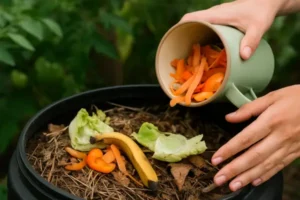
- Compost bin or container: This can be a store-bought compost bin, a DIY wooden box, a plastic bin with holes, or even a simple pile in your backyard.
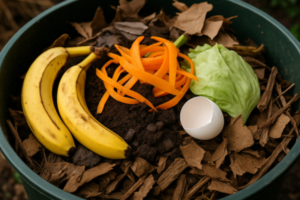
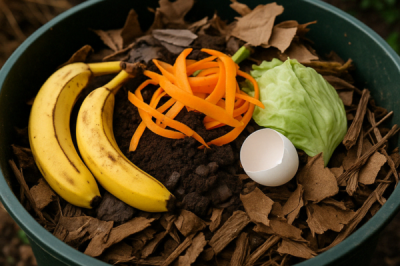
- Food scraps (Greens): Think fruit and vegetable peels, coffee grounds, tea bags, and other kitchen waste.
- Dry materials (Browns): Leaves, cardboard, shredded newspaper, paper towels, or small twigs are perfect for balancing your compost.
Understanding “Greens” vs. “Browns”
A healthy compost pile depends on the right mix of two types of materials:
- Greens are moist and rich in nitrogen. They include fresh food scraps like fruit peels, vegetable trimmings, coffee grounds, and grass clippings. These materials help activate the composting process and feed the microorganisms that do the heavy lifting.
- Browns are dry and full of carbon. They include items like dried leaves, paper, straw, and twigs. Browns give your compost structure and help prevent it from becoming soggy or smelly.
A general rule of thumb: aim for 2–3 parts browns for every 1 part greens to keep your compost balanced and odor-free.
Options for Different Living Spaces
Composting is flexible and can be adapted to your living situation:
- Backyard Compost Pile: Great if you have space outdoors. You can build an open pile or use a large bin to contain it.
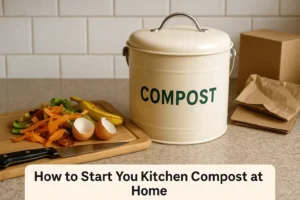
- Indoor Compost Bin: Ideal for apartments or small homes. Use a kitchen compost caddy or closed bin with proper ventilation.
- Balcony or Worm Composting (Vermicomposting): Perfect for tight spaces. A worm bin with red wigglers turns your scraps into compost with minimal odor and maximum efficiency.
No matter where you live, there’s a composting method that can work for you. All it takes is a little commitment—and a lot of banana peels.
Common Composting Myths Debunked
Many people hesitate to start composting because of common misconceptions. Let’s clear the air—literally and figuratively—by debunking some of the most frequent composting myths.
“It smells bad.”
This is one of the biggest fears for beginners, but the truth is: a well-maintained compost doesn’t stink. If your compost has a foul odor, it’s usually a sign that the balance of materials is off—too many “greens” and not enough “browns.” By keeping a proper ratio and ensuring good airflow, your compost should smell earthy and fresh, not rotten.
“You need a garden to compost.”
Absolutely not! While a backyard makes it easier, there are plenty of indoor and small-space options available. From countertop compost bins to worm composting (vermicomposting) on your balcony, composting can be done in apartments, studios, or even office spaces. No outdoor space? No problem.
“It’s too complicated.”
At first glance, composting might seem like a science experiment—but it’s really just about mimicking nature. With a basic understanding of greens and browns, some airflow, and a bit of patience, anyone can compost successfully. You don’t need fancy equipment or deep gardening knowledge—just a desire to reduce waste and do a little good.
How to Start Composting in 5 Simple Steps
Starting your own compost at home is easier than it seems. Whether you live in a house with a yard or a small apartment, you can begin turning your food waste into nutrient-rich compost with just a few simple actions. Here’s how:
1. Choose a Composting Method (Indoor or Outdoor)
First, decide what kind of composting works best for your living space and lifestyle.
- Outdoor options include compost piles, bins, or tumblers—great for backyards and gardens.
- Indoor methods can involve kitchen compost caddies or worm bins (vermicomposting), ideal for apartments or small spaces.
2. Set Up Your Compost Bin or Pile
Find a convenient spot with good ventilation and, for outdoor bins, some sunlight. Make sure your bin or container has drainage holes and a lid or cover to keep out excess rain or pests. If using a pile, choose a flat, well-drained surface.
3. Add Alternating Layers of Greens and Browns
Layer your compost materials to maintain balance and airflow:
- Start with browns like dry leaves or shredded paper at the bottom.
- Add greens such as vegetable scraps or coffee grounds.
- Continue layering as you collect materials, always aiming for a 2:1 ratio of browns to greens.
4. Turn or Mix the Pile Regularly for Aeration
Compost needs oxygen to break down properly. Every 1–2 weeks, stir or turn your pile with a pitchfork, compost aerator, or sturdy stick. This keeps air flowing and speeds up the decomposition process.
5. Keep It Slightly Moist and Monitor Progress
Your compost should feel like a wrung-out sponge—moist but not soggy. Add water if it’s too dry, or browns if it’s too wet. Monitor the smell and texture: a good compost pile smells earthy, not rotten, and will begin breaking down in just a few weeks.
Final Thoughts: Why You Should Start Today
Composting is one of those rare habits that requires very little effort but offers enormous rewards. In a world where waste is growing and resources are shrinking, composting is a simple, powerful way to make a difference—right from your own home.
By composting, you transform everyday kitchen scraps and yard waste into something meaningful: a rich, natural fertilizer that feeds your soil, supports plant growth, and helps the planet breathe a little easier. Instead of tossing organic matter in the trash, you’re giving it a second life.
And the best part? You don’t need to be perfect. You just need to begin.
“Every banana peel counts. Start small, stay consistent.” Whether you’re adding a compost bin to your kitchen or setting up a pile in your backyard, the important thing is to start. Over time, those small scraps add up to something truly impactful—for your garden, your community, and the Earth.
FAQ Section
Composting can spark a lot of questions when you’re just getting started. Here are answers to a few of the most common ones:
Can I compost paper or cardboard?
Yes—as long as it’s untreated, uncoated, and not glossy. Shredded newspaper, plain cardboard, paper egg cartons, and brown paper bags are all great sources of carbon (“browns”). Avoid anything with plastic coatings, heavy dyes, or sticky labels.
Do I need worms to compost?
Only if you choose vermicomposting. Worm composting uses red wigglers to speed up decomposition in a compact, odor-free system—perfect for indoor or small-space setups. However, you can compost successfully without worms by using a standard aerobic method (with air circulation) in a bin or pile.
How long does it take to make compost?
Compost is usually ready in 2 to 6 months, depending on factors like temperature, moisture, material size, and how often you turn the pile. Warmer conditions and regular mixing speed up the process, while colder weather or neglect can slow it down.